Turkish Central Bank Raises Interest Rate to 50%
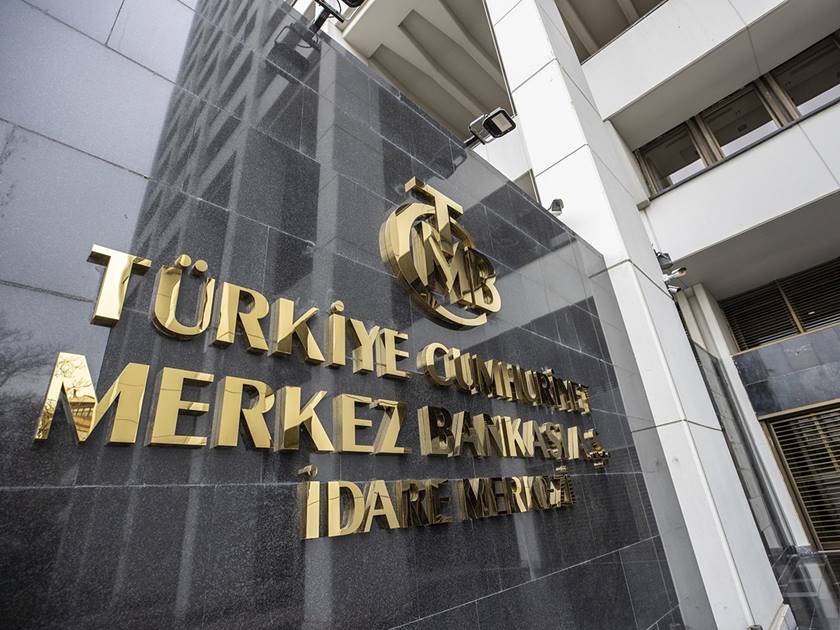
The Central Bank of the Republic of Türkiye announced that it raised its key interest rate by 500 basis points to 50%, in an attempt to bring down inflation in the country.
The Monetary Policy Committee, led by Governor Fatih Karahan, raised the policy rate to 50%, up from 45% previously.
Media reported that only Deutsche Bank and Goldman Sachs had expected a rate hike, while all other economists surveyed by Bloomberg had expected the rate to be left unchanged. The lira strengthened after the decision was announced.
Interest rate hike
In a statement after the Monetary Policy Committee meeting, the bank said the committee had decided to raise the policy rate from 45% to 50%, and to adjust the operational framework of the policy by setting the overnight borrowing and lending rates 300 basis points below and above the one-week repo rate.
The Monetary Policy Committee said that "the tight monetary stance will be maintained until a significant and sustained decline in the underlying trend of monthly inflation is observed and inflation expectations converge to the projected forecast range," adding that policy would be tightened if a significant and persistent deterioration in inflation is foreseen.
The statement noted that the underlying trend of monthly inflation in February was higher than expected, led by services inflation, while imports of consumer goods and gold slowed, contributing to an improvement in the current account balance.
The Turkish central bank pledged to keep using the tools that curb the underlying trend of inflation and to bring inflation down to the 5% target in the medium term, in line with its primary objective of price stability.
Following the decision, the Turkish currency rose in the markets, with the dollar trading at 32.1292 lira, down 0.76%.
Turkish Finance Minister Mehmet Şimşek had earlier stressed that the government would continue to tighten monetary policy to help the central bank bring inflation down.
Before today's rate hike decision, the Turkish lira had been the worst-performing emerging-market currency tracked by Bloomberg this month, losing about 3.7% of its value against the dollar.