Çankırı Museum: History, Sections and Exhibits
This article was updated on 17 November 2026
Çankırı Museum is located in the city of Çankırı, capital of Çankırı Province, northeast of the Turkish capital Ankara and about 140 km away from it.
Çankırı is a city that many civilisations have passed through, and it is home to many natural, archaeological and historical attractions, most notably Çankırı Museum, known in Turkish as Çankırı Müzesi.
Museum work in Çankırı officially began on 9 June 1972 with an exhibition of 116 artefacts collected from the area. The museum then moved to the 100th Anniversary Cultural Centre (100. Yıl Kültür Merkezi), where it remained from 1981 to 2017. Since 2017 the museum has welcomed visitors in the restored former Government House, a late Ottoman building constructed in 1905.
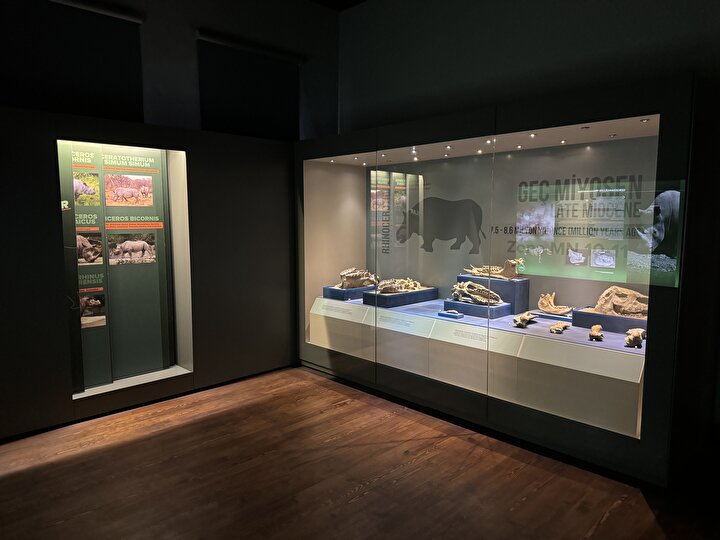
The museum has three sections: Natural History, Archaeology and Ethnography. The Natural History section displays fossils dated to between 8 and 8.5 million years ago, found at the Çorakyerler fossil site in the centre of Çankırı, including fossils of giraffes, elephants, rhinoceroses and the sabre-toothed tiger.
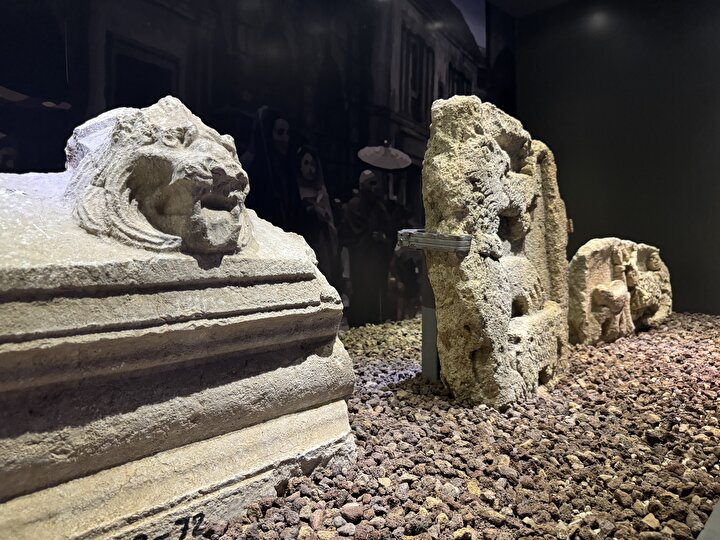
The Archaeology section on the ground floor displays artefacts arranged in chronological order from the Chalcolithic, Bronze Age, Hittite, Hellenistic, Roman and Byzantine periods, including pottery and glassware such as bowls, cups, perfume bottles, bracelets and beads, as well as coins ranging from antiquity to the Turkish-Islamic states.
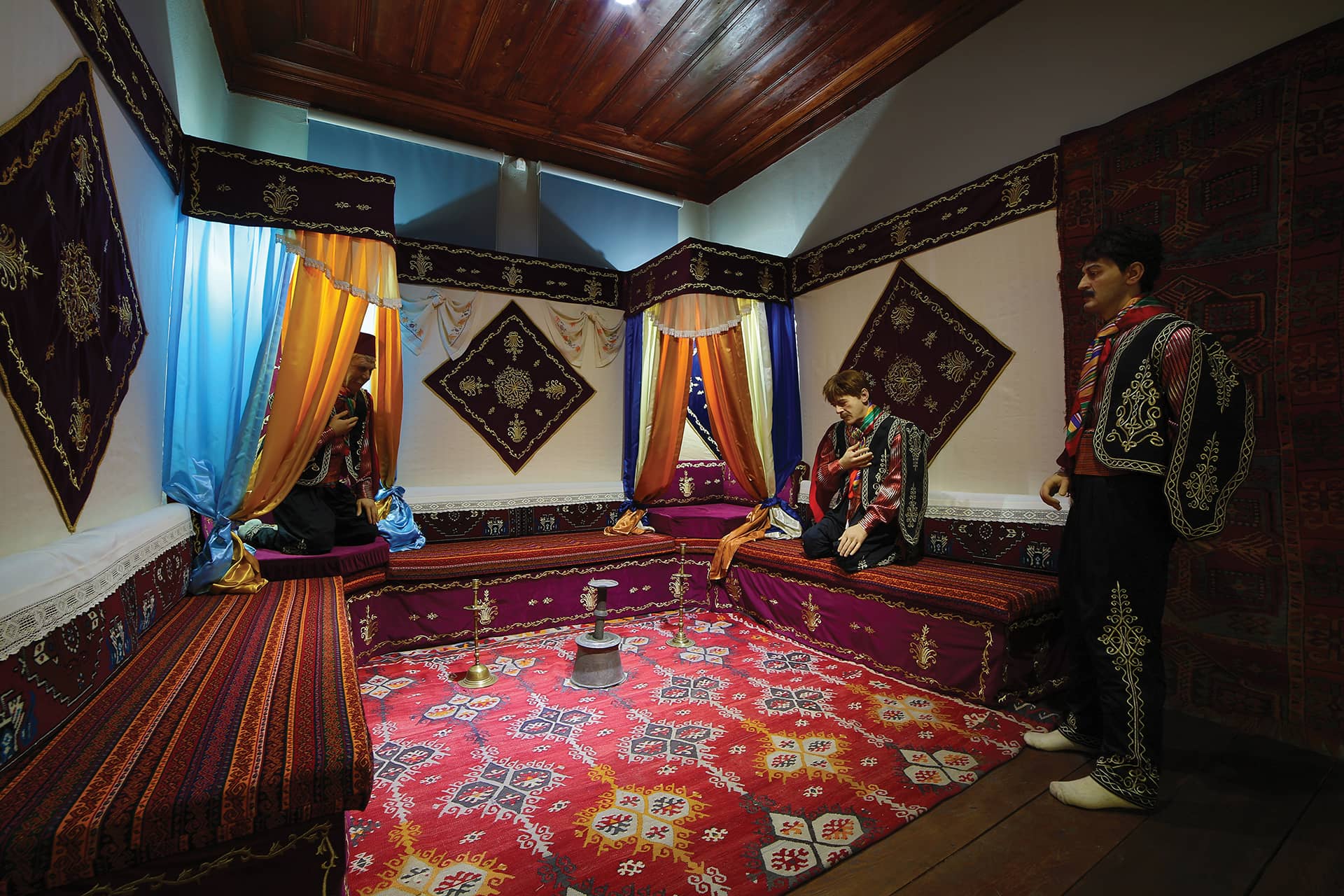
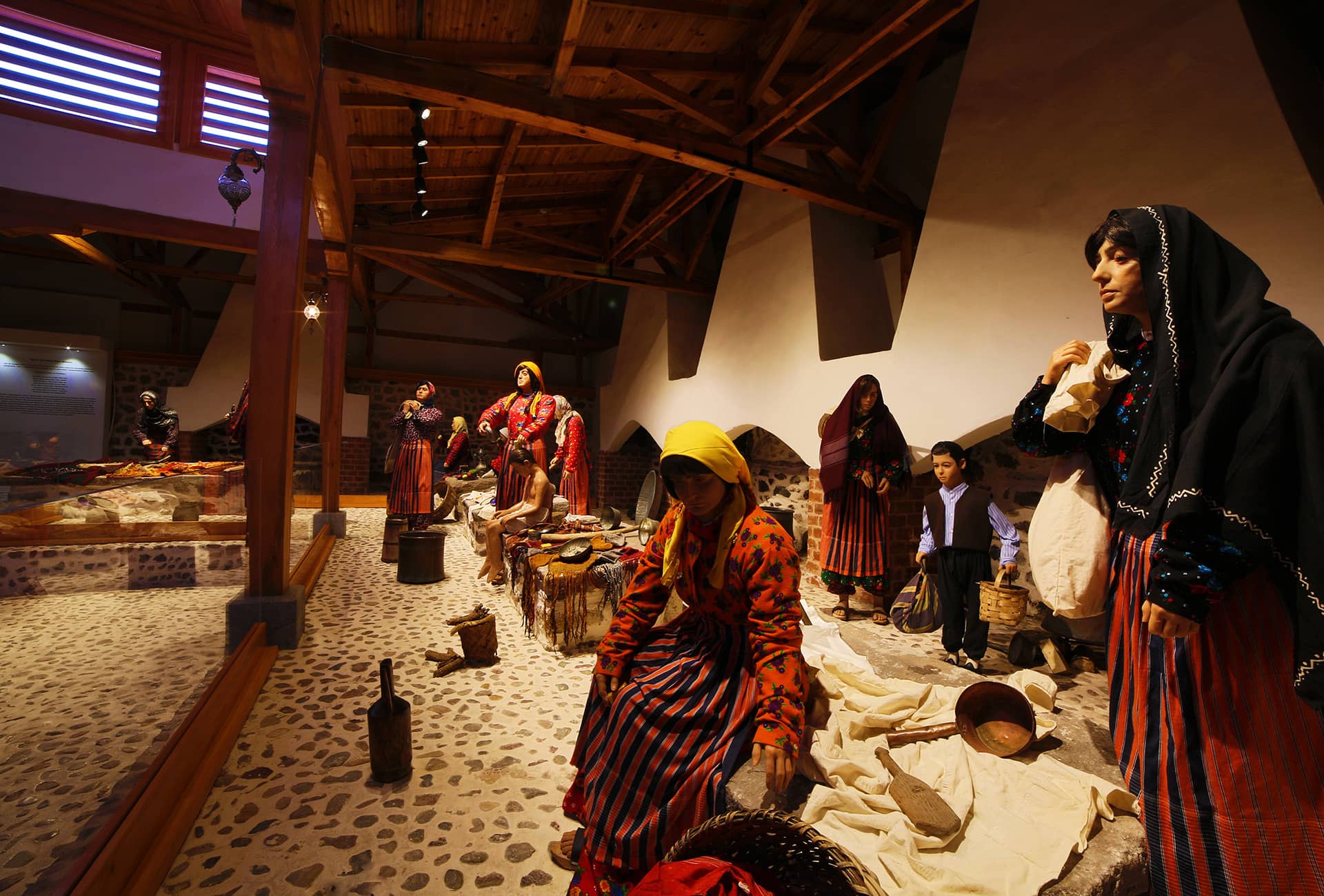
The Ethnography section on the first floor displays items from the Ottoman and early Republican periods that reflect the life of the local people, including traditional kitchen utensils, textiles, traditional clothing, Turkish-Islamic works, weapons, medical tools, lighting tools and weighing scales. All of these exhibits are priceless.
The museum attracts many foreign and local tourists with their families and friends. When you visit Çankırı Museum, don't forget to bring your camera to take the best photos inside.