Will the short mid-term breaks (Ara Tatil) be cancelled?
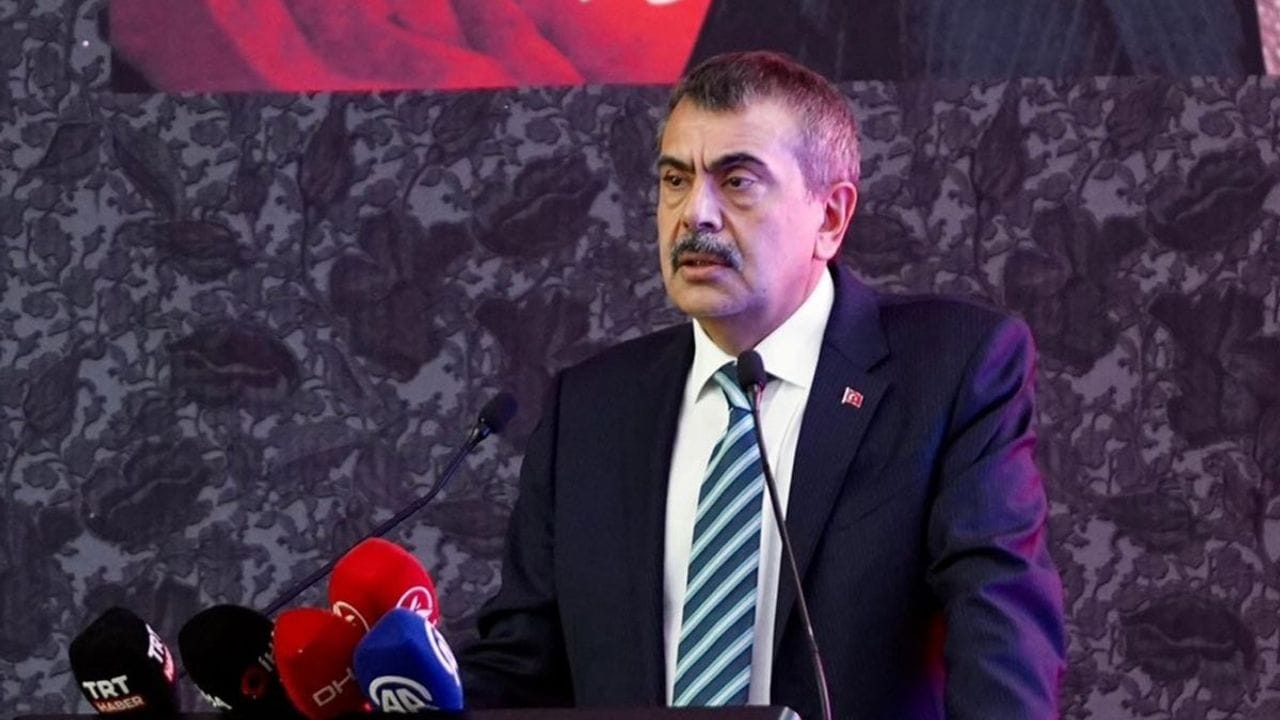
Education Minister Yusuf Tekin stated that the Ministry is reviewing numerous requests from parents and teachers regarding the cancellation of short school breaks.
He pointed out that:
-
Some believe that short breaks disrupt the academic schedule.
-
The Ministry will discuss the matter based on data and feedback.
-
No final decision has been made yet.
What is “Ara Tatil”?
In the Turkish education system, schools are given two short mid-term breaks during the academic year (one in the fall and one in the spring), in addition to the semester break.
These breaks are designed to offer students and teachers a chance to rest and recharge after intensive study periods.
What the Education Minister Said: Signs of Possible Cancellation
In an interview with a well-known newspaper, the Minister announced that the Ministry has received many requests from parents and teachers calling for the cancellation of the short mid-term breaks.
Reasons behind these requests include:
-
Difficulty adapting after the break: Many students are reluctant to return to school after a short holiday.
-
Challenges for working families: Some families—especially working parents—struggle to arrange childcare during unexpected or short breaks.
The Minister added:
“For the past two years, we have been analyzing the issue… and if these complaints continue, we will consider the possibility of abolishing the short mid-term breaks from the school system.”
Possible Outcomes if the Change Is Approved
-
More continuity in education throughout the school year → reducing the “post-holiday adjustment” problem.
-
Relief for working families, easing the pressure of arranging childcare during short breaks.
-
On the other hand, students and teachers may feel more pressure and fatigue due to fewer rest periods.
Important Notes and Considerations
-
The Minister emphasized that no decision has been made yet — the matter is still under “study and analysis.”
-
Any change to the break schedule must be carefully evaluated, as “Ara Tatil” was originally intended to support mental well-being, provide rest, and allow families to reconnect.
-
The debate may raise questions about students’ right to rest versus the pressure for continuous academic performance — requiring input from parents, teachers, and students.
Conclusion
The cancellation of “Ara Tatil” is not a confirmed decision, but it has become a serious possibility under review by the Ministry of Education based on requests from parents and teachers.
If implemented, it would represent a significant change in the Turkish school calendar, with both potential benefits (academic stability, support for families) and drawbacks (increased pressure, reduced rest time).
Amazing Istanbul