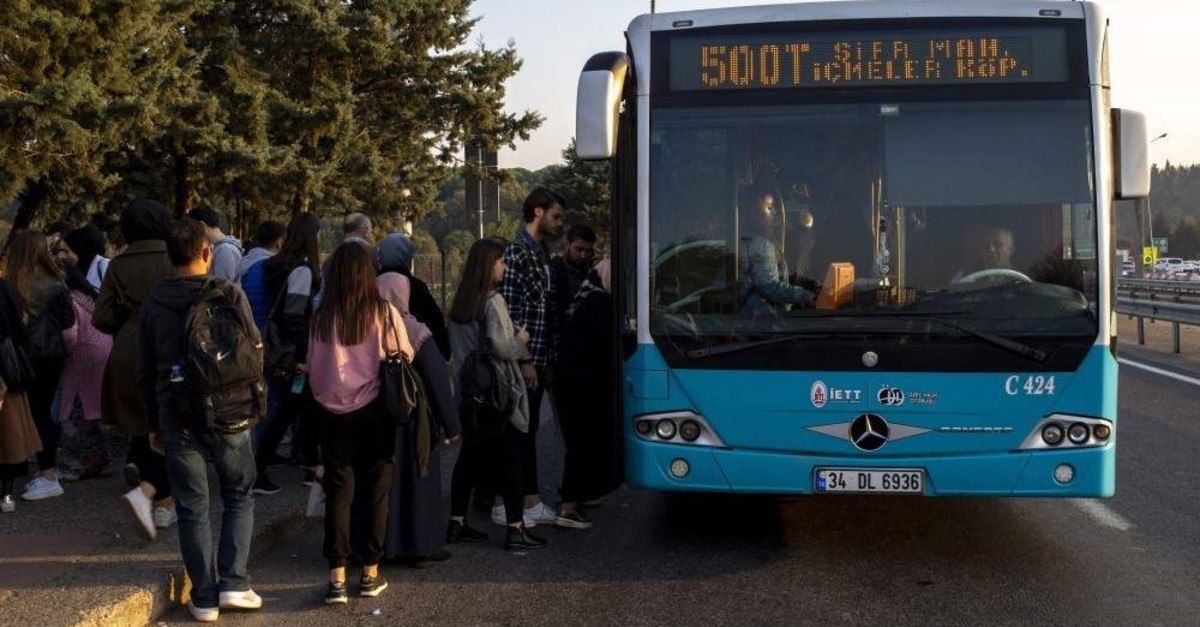
Buses in Istanbul: The City's Lifeline
The bus network in Istanbul is an integral part of the city's urban fabric. It is not just a means of transportation but a vital artery that connects its various neighborhoods, reflecting its continuous movement and vibrant spirit.
In a city known for its congestion and population density, the importance of buses stands out as an effective and economical solution for mobility, making them the first choice for residents and visitors alike.
The Importance of Buses in Istanbul
Buses in Istanbul are of utmost importance for several reasons:
- Reaching Everywhere: The bus network extends to the farthest neighborhoods and areas not covered by metro or tram lines, allowing residents to easily reach their destinations.
- Economical Solution: Buses are considered one of the cheapest public transportation options in Istanbul, making them suitable for everyone, especially students and workers.
- Flexibility: Travelers can use buses to move between tourist areas and historical sites, as well as to reach markets and commercial centers, giving them flexibility in exploring the city.
Types of Buses in Istanbul: Every Bus Has a Story and a Color
The bus transportation network in Istanbul is diverse and serves different needs. Here are its main types and colors:
- Public Buses (Otobüs):
- Color: These buses are often blue, green, or turquoise and are operated directly by the government-owned "IETT" company.
- Function: They are distinguished by their wide coverage of the entire city and operate according to specific schedules. They can be used to reach most areas and offer direct routes or require line transfers.
- Metrobus (Metrobüs):
- Color: Metrobus buses are distinguished by their unique turquoise color and run on dedicated lanes isolated from traffic congestion.
- Function: This type of bus is a revolution in Istanbul's transportation world. Its dedicated route makes it an extremely fast and efficient way to commute between the European and Asian sides of the city.
- Yellow Buses (Özel Halk Otobüsü):
- Color: These buses are characterized by their yellow color.
- Function: These buses are operated by private companies under the municipality's supervision and run on the same routes as "IETT" buses. They may differ slightly in their interior design but use the same "Istanbulkart" payment system.
- Dolmuş:
- Color: These small buses are often white or yellow.
- Function: They are small buses that run on specific routes but do not adhere to formal stops for getting off. Payment is made in cash based on the distance traveled, and they are considered a quick and flexible option for short distances within neighborhoods.
Ticket Cost: The "Istanbulkart" System and Fares
In 2025, public transportation in Istanbul relies entirely on the "Istanbulkart" card, as cash payment is no longer accepted on most buses.
- Card Price: The price of an empty "Istanbulkart" is approximately 130 Turkish Lira. You can buy the card from yellow vending machines or small kiosks at the stations.
- Single Ticket Price: The cost of a trip varies based on the bus type and distance, but the average price for a full ticket (for an adult) is 27 Turkish Lira per ride.
- Metrobus Fares: Metrobus fares vary depending on the number of stops you travel, with prices starting from about 19 Turkish Lira for the shortest distances and reaching up to about 40 Turkish Lira for the longest routes.
- Important Note: "Istanbulkart" can be used for more than one person; it is simply passed over the reader for the number of passengers traveling.
Bus Letter Secrets: The Guide to Symbols in Istanbul
The numbers of bus routes in Istanbul are not random. Each letter before the number has a special meaning and provides a guide to the bus's route and main destination. Here are the most prominent letters you will encounter:
- Letter "E": Stands for Ekspres, meaning "Express" or "fast." These lines do not stop at every station but are limited to the main ones, saving a lot of time on long journeys.
- Letter "H": Refers to Havaalanı, meaning "Airport." These lines are dedicated to trips to and from the new Istanbul Airport (IST), and are also known as "Havaist".
- Letter "T": Stands for Taksim. Buses with this letter often have their final destination or pass through the famous Taksim Square.
- Letter "M": Stands for Metro. These lines connect distant stations to the main metro network, making it easy for passengers to transfer between modes of transport.
- Letter "B": Stands for Beşiktaş. These lines head toward the vibrant Beşiktaş area.
Must-Have Apps for Your Trip: Your Digital Guide to Mobility
In the age of technology, smartphone apps have become the most important tool to facilitate mobility in Istanbul. Here are the most important ones and their links:
- "IETT Otobüsüm Nerede?" App (Where is my bus?):
- Importance: This app is the official guide for buses in Istanbul, provided by the General Directorate of IETT Operations of the municipality.
- Services: The app allows you to see bus route paths and schedules in real-time. You can search for nearby stations and set your destination to get the best possible routes.
- "Moovit" App:
- Importance: "Moovit" is one of the most famous global apps for urban mobility and is particularly effective in Istanbul.
- Services: The app provides comprehensive information on all public transportation options (buses, metro, tram, ferries). It gives you trip plans that combine different modes of transport and provides live updates on bus arrival times and potential delays.
- "Trafi" App:
- Importance: "Trafi" features a simple and user-friendly interface and provides accurate information about the public transport network in several cities in Türkiye, including Istanbul.
- Services: The app helps you find the best public transport travel options and displays real-time schedules. You can also use it to find the route of any bus by simply entering its number.
Important Additional Information
- Night Buses: Some main lines operate 24 hours a day, providing an option for late-night travel. These lines can be identified through navigation apps.
- "Mobil IETT" App: In addition to popular apps like "Moovit" and "Trafi," there is the official "Mobil IETT" app, which provides you with accurate, real-time information on bus movements and their arrival times at stations.
- Ease of Use: All modern buses are equipped with ramps for people with disabilities, air conditioners, and some even provide free Wi-Fi service.
Tips for Travelers
- Use "Istanbulkart": Make sure to have this card and keep it topped up, as it's essential for using buses and all other public transport.
- Benefit from Apps: Use transportation apps to track routes and bus times, as they save you a lot of time and effort.
- Avoid Peak Hours: Try to avoid using buses during peak hours (morning and evening) to avoid congestion.
A Look to the Future
The Türkiye government plans to continuously expand and develop the bus network, with a focus on using modern technology and eco-friendly electric buses. This direction reflects Istanbul's vision to be a modern and sustainable city, where buses play a central role in achieving this vision.
In short, buses in Istanbul are more than just a means of transport; they represent the city's renewed spirit and its flexibility in facing challenges, and they offer a practical and convenient solution for mobility, making them an integral part of the experience for anyone visiting this charming city.
Amazing Istanbul