Kids Take Over Türkiye’s Troy Museum for a Day
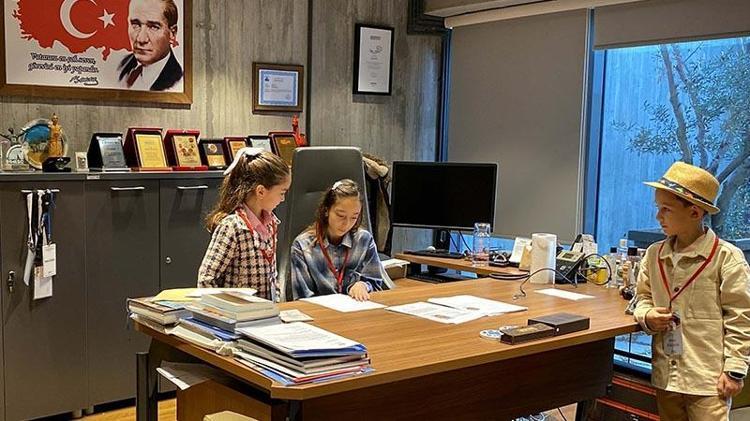
The management of the Troy Archaeological Museum in Türkiye’s Çanakkale province organized a special educational initiative that saw 15 children take charge of the museum for one day as part of an event called “Museum Takeover Day.”
The children stepped into the shoes of museum staff, taking on roles ranging from museum director and archaeologist to tour guide, security officer and café manager.
The event was part of the international initiative known as Museum Takeover Day, which gives children the chance to get a closer look at how museums operate and discover the behind-the-scenes work involved in preserving historical artifacts, organizing exhibitions and welcoming visitors.
Held on Friday, November 27, the event brought together 15 children aged between 9 and 12, along with eight students from the Museology Department at Çanakkale Onsekiz Mart University. Under the supervision of museum staff and specialists, they got hands-on experience working inside the museum.
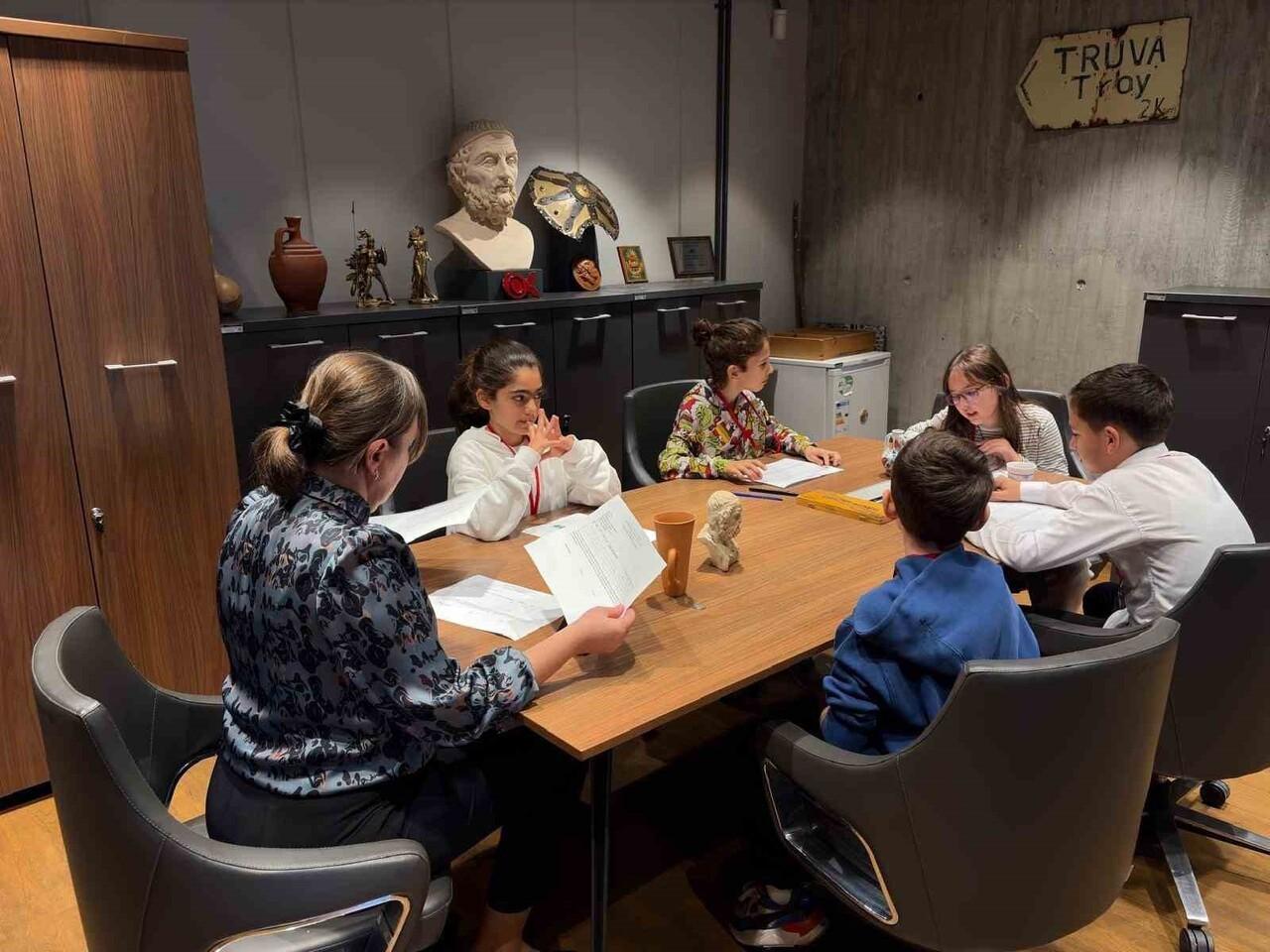
The children were assigned to different departments and tasks. Some took on the roles of museum director and deputy director, while others worked as tour guides, security officers, reception staff and ticket sellers, or helped manage the museum shop and café.
They also got to experience working in archaeology, artifact restoration, education and social media management, learning about the daily responsibilities of staff in each department.
The aim was to show children that running a museum involves much more than simply displaying historical objects. It takes a wide range of administrative, artistic and technical skills, all working together to preserve cultural heritage and make it accessible to the public.
One of the main highlights of the event was the children's chance to create their own archaeological exhibitions using items from the Troy Museum's collection, along with replicas of ancient sculptures and coins available at the museum shop.
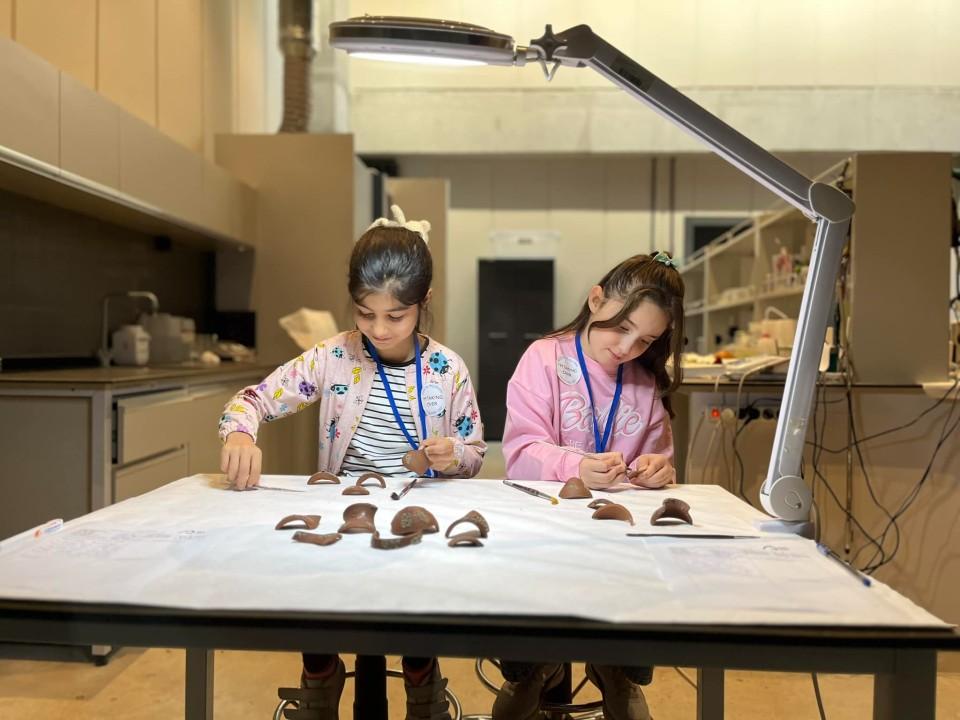
They helped choose which objects to display, arrange them in the exhibition halls, organize the display areas and come up with ways to present historical information to visitors.
The experience gave them a practical look at the different stages of putting together a museum exhibition, from selecting suitable artifacts to deciding how to display them and creating a historical story that connects the objects.
The activities weren't limited to archaeology and culture. The program also included a workshop on making paper from recycled paper waste, as part of efforts to promote sustainability and environmental awareness.
During the workshop, the children learned how used paper can be recycled and turned into new materials, helping them understand the importance of recycling and using resources wisely.
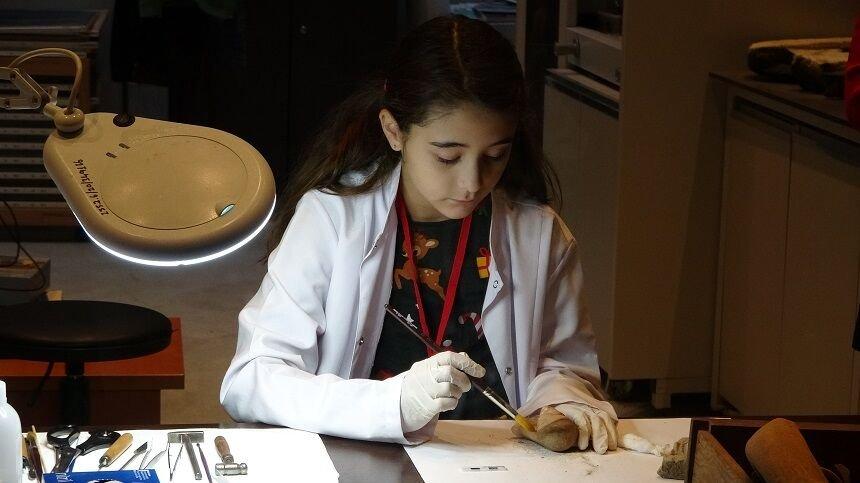
The program also gave first-year students from the university's Museology Department a chance to explore the museum's different sections, take part in its educational activities and put what they had learned in class into practice.
Troy Museum Director Sinem Düzgören told the media that the event highlights the social and educational role museums play in society. She pointed out that people often associate museums only with the artifacts on display, without realizing how many different specialists and teams work behind the scenes.
She added that the museum wants children to be more than just visitors walking around and looking at exhibits. It wants them to become active participants who explore, ask questions, investigate and learn through hands-on experiences.
Düzgören stressed that museums are important learning spaces where children can connect with their cultural heritage, develop new skills and discover different fields of knowledge and careers.
She also emphasized that protecting cultural heritage isn't just about preserving ancient objects. It's also about raising future generations who understand its value, help protect it and pass it on to those who come after them.
The idea behind Museum Takeover Day first started in the United Kingdom in 2010. Since then, it has spread to museums around the world, with events held every November.